The Livre de Thot Etteilla
The first tarot designed for fortune-telling, printed by Etteilla himself in 1789: the world remade in seventy-eight cards, beginning with Chaos.
Jean-Baptiste Alliette, called Etteilla; etched plates after his designs · Paris; this brush-colored copy comes from a private collection · 1789
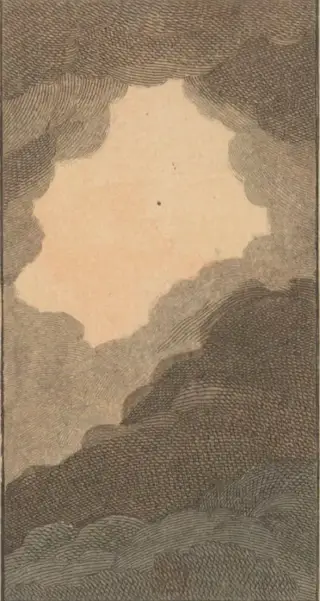
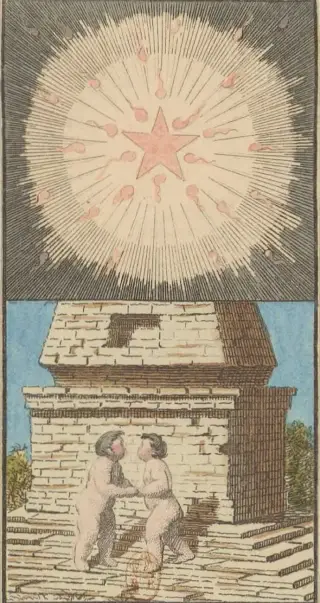
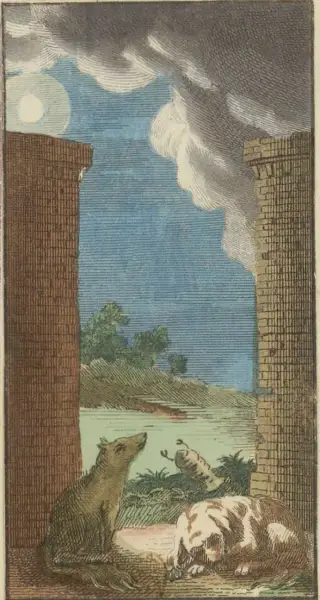
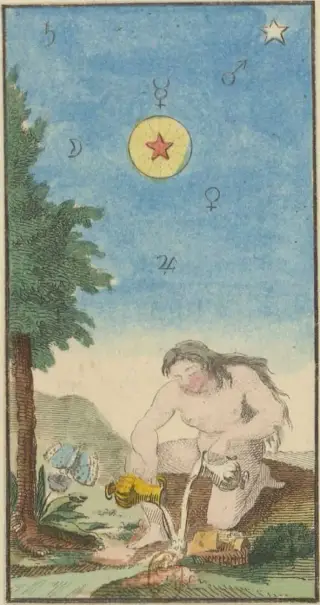
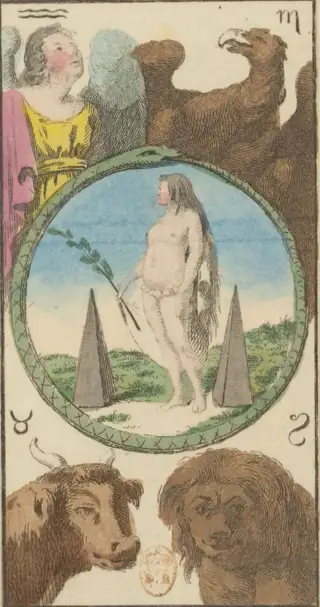
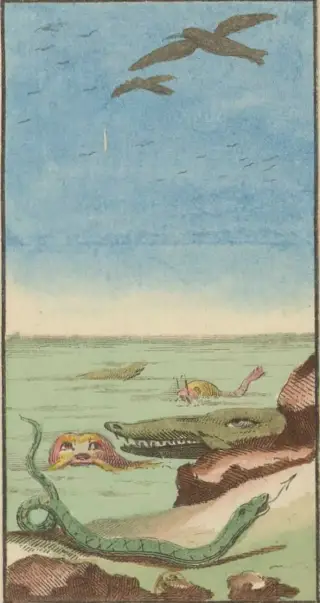
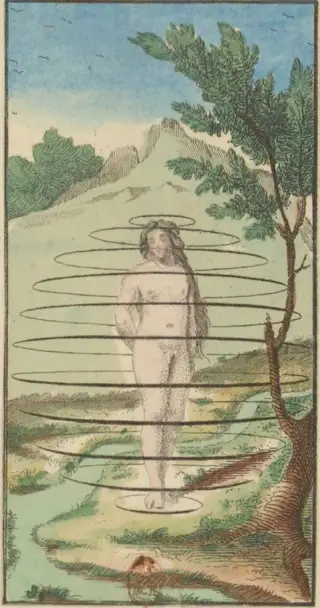
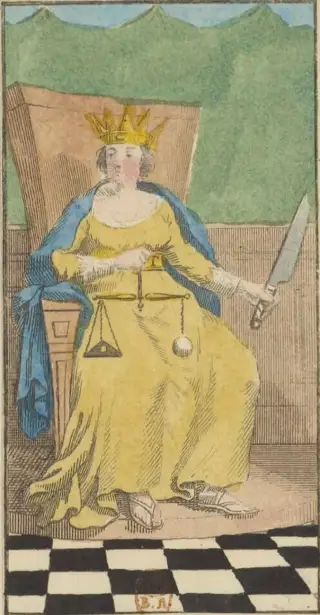
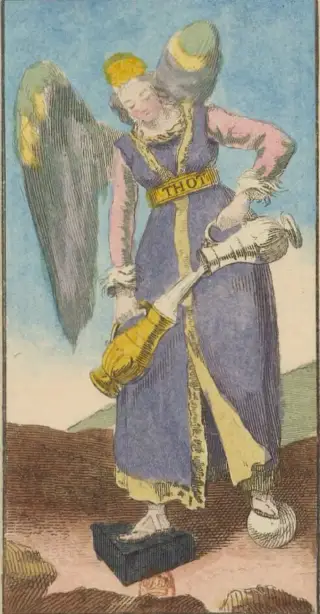
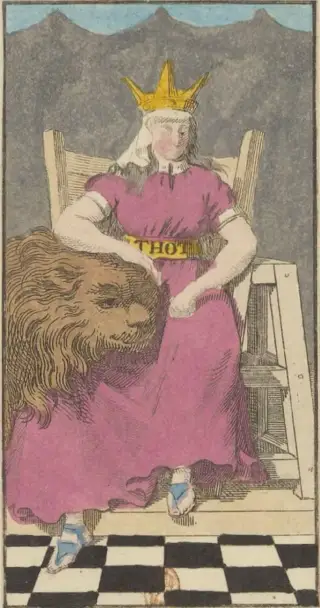
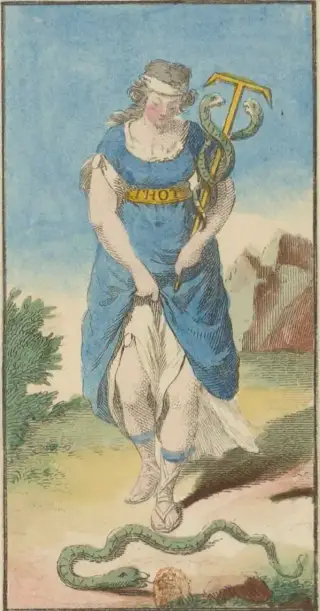
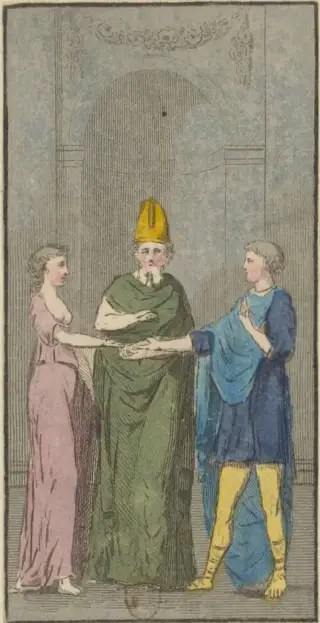
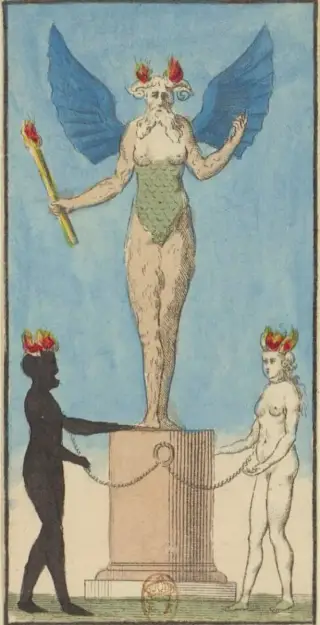
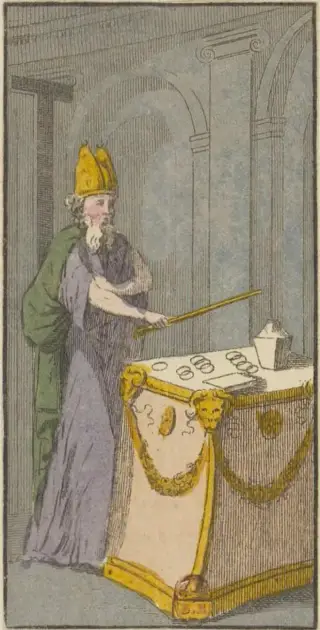
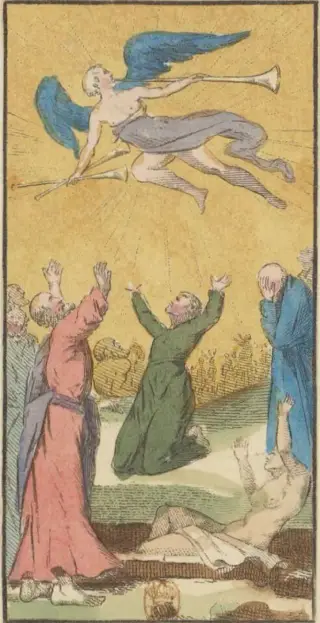
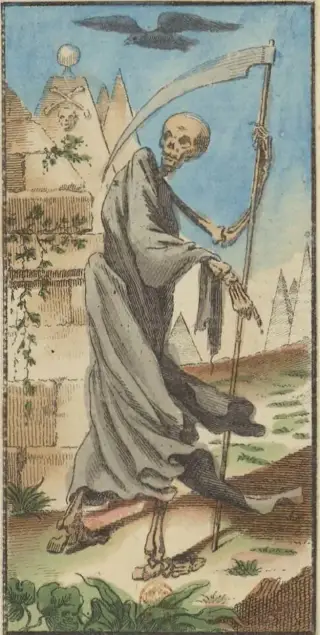
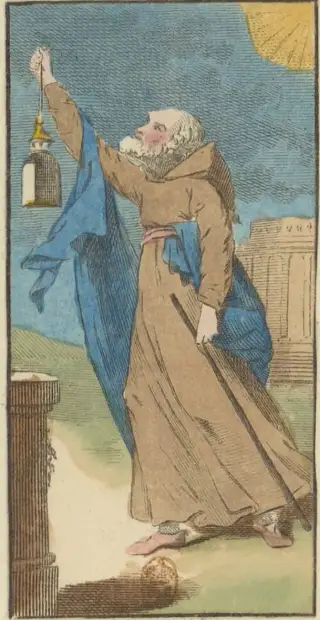
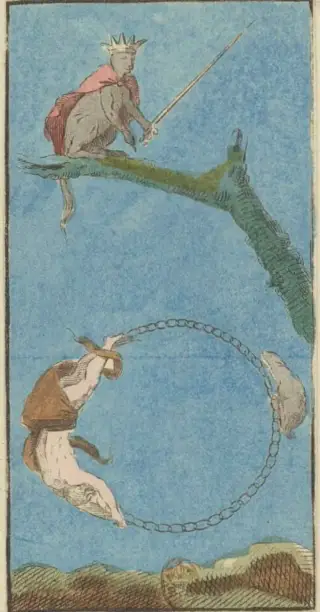
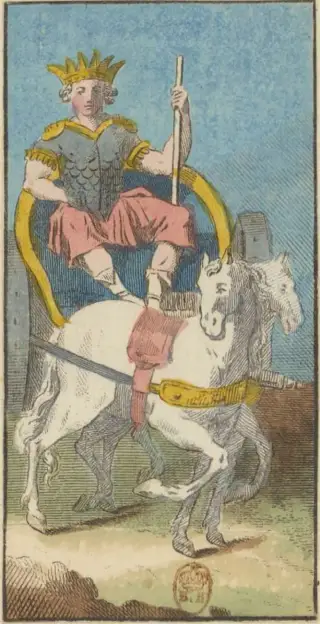
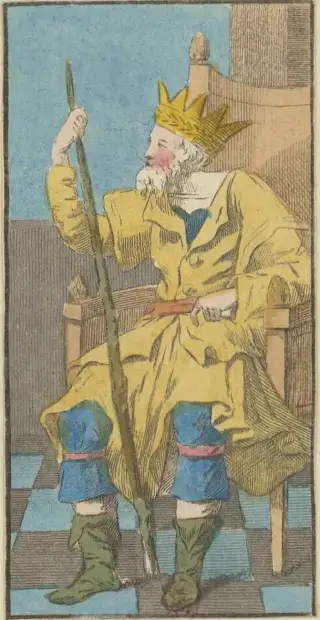
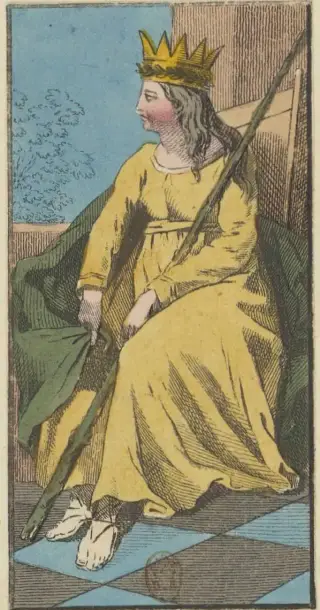
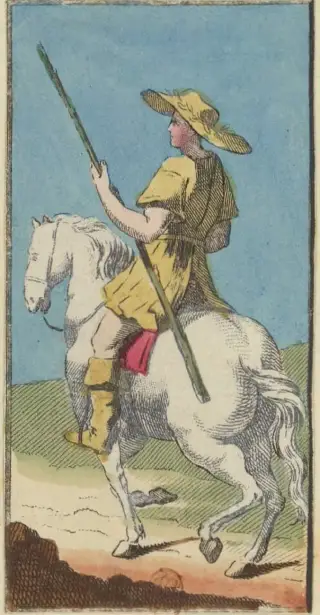
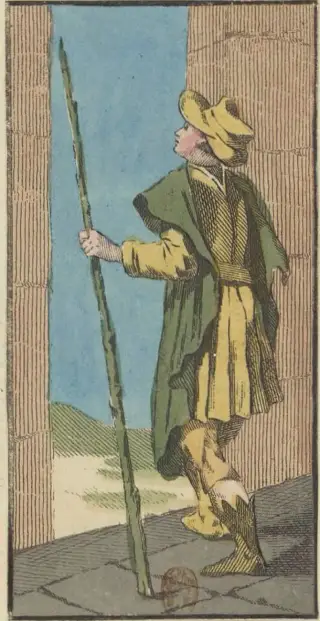
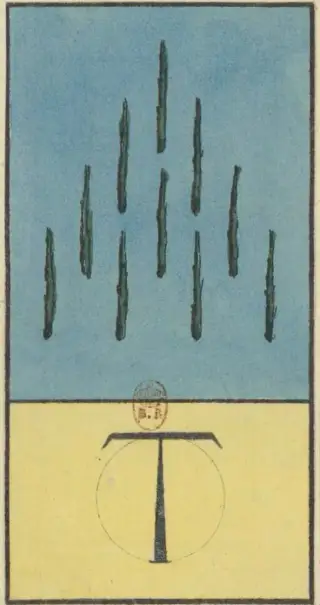
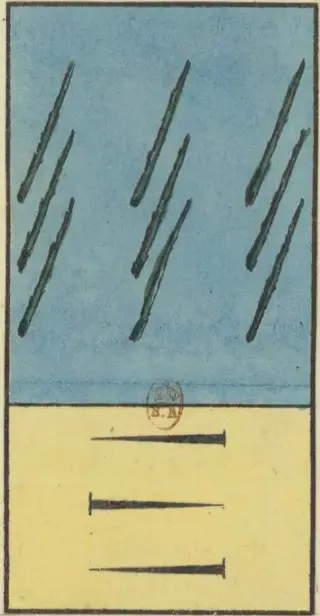
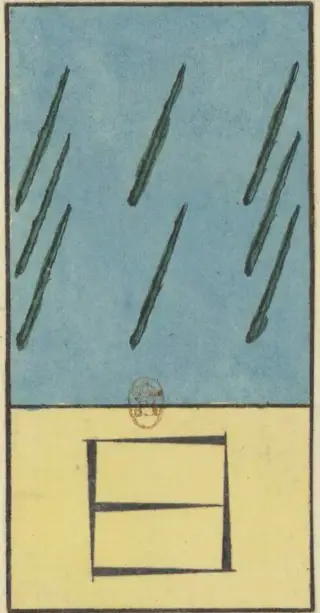
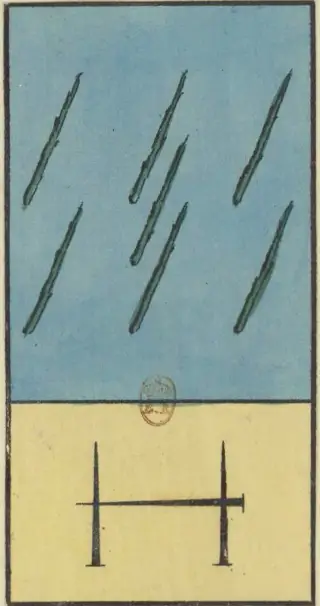
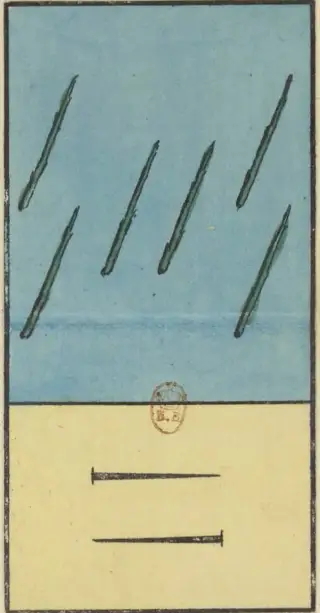
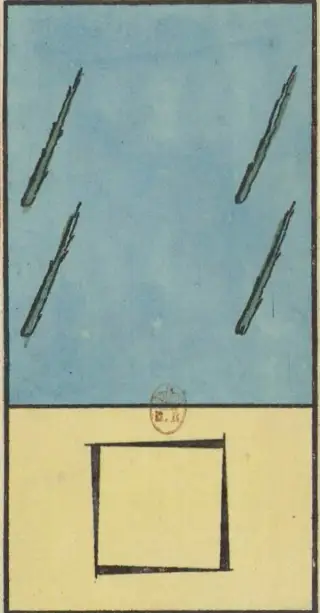
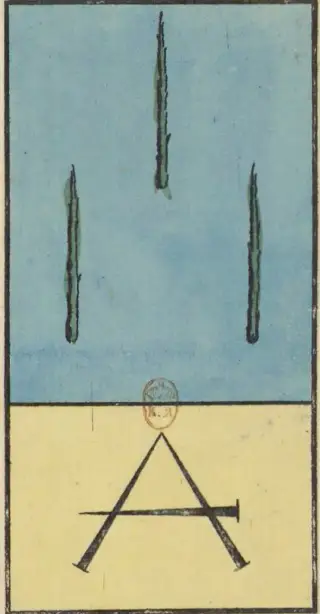
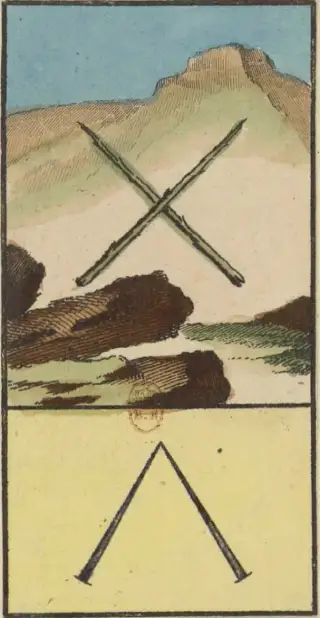
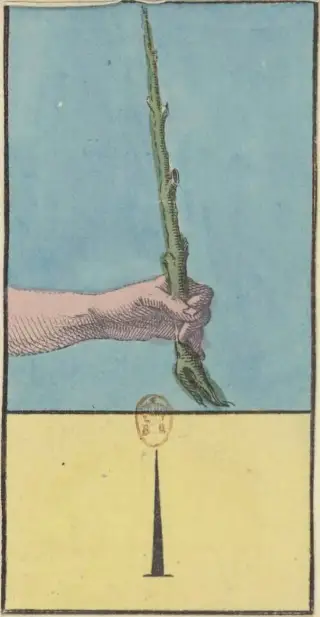
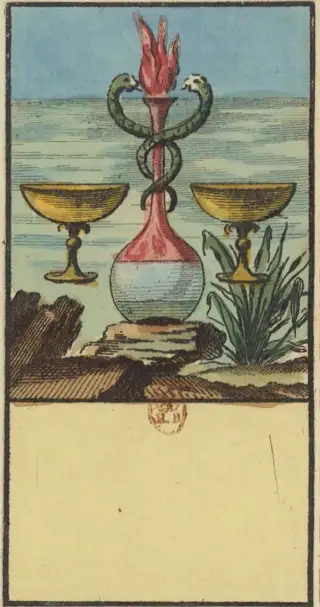
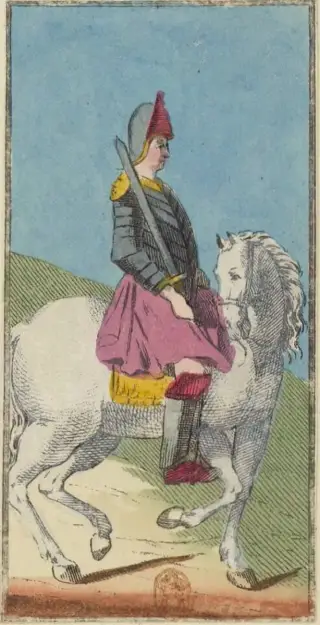
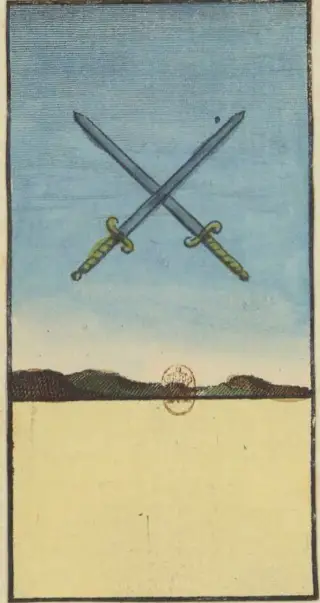
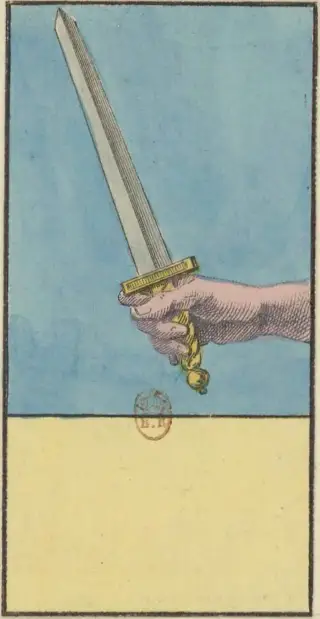
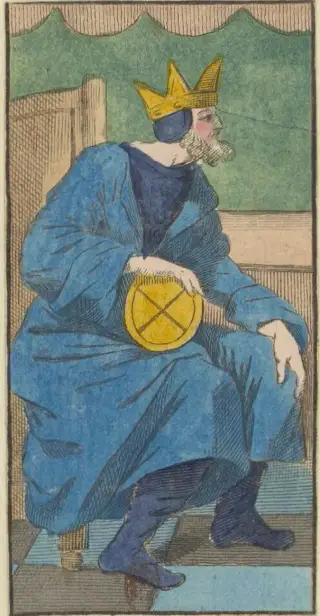
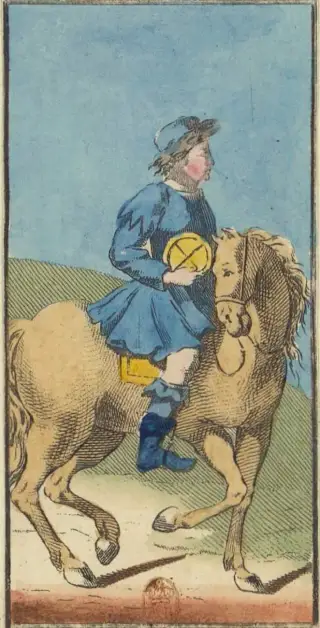
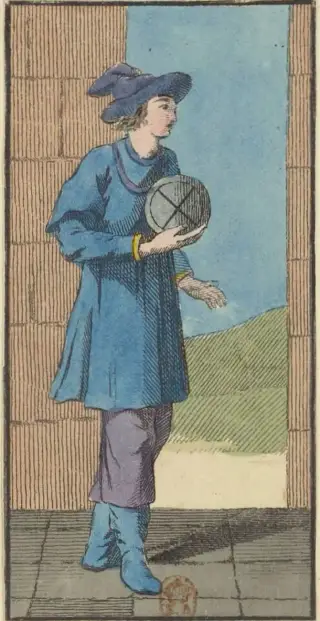
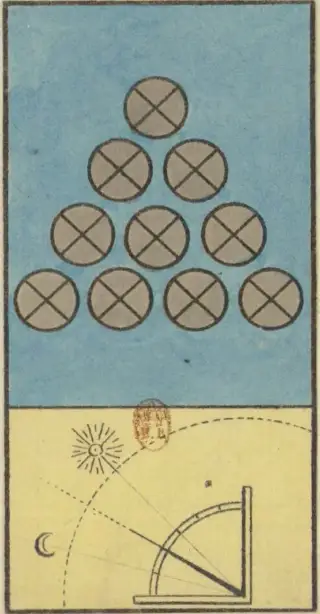
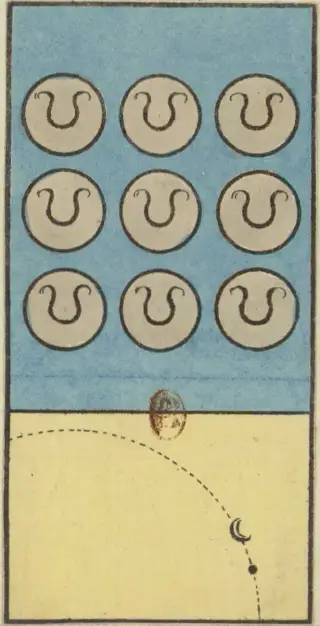
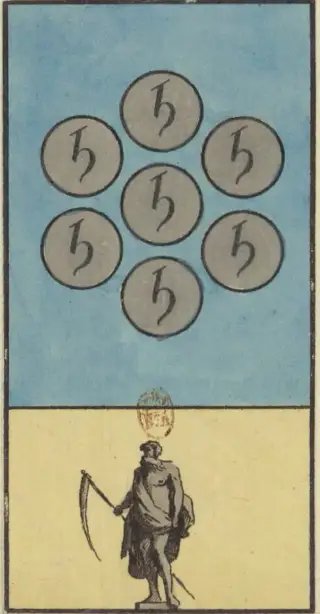
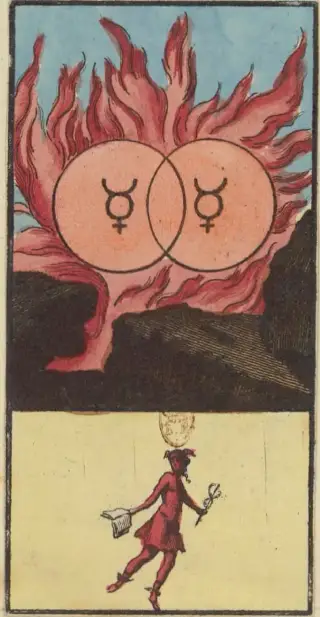
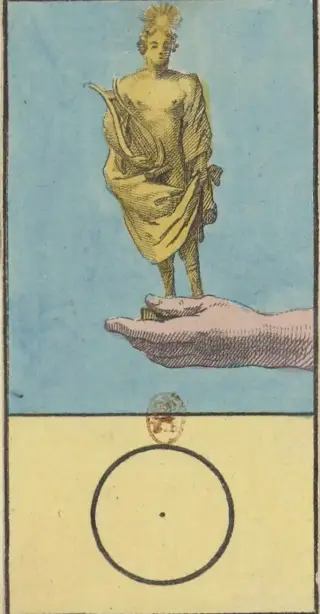
In 1788 the Paris print seller and card reader Jean-Baptiste Alliette, who wrote his name backward as Etteilla, raised subscriptions for a deck of his own devising, and in 1789 he delivered it: the Livre de Thot, the book of Thoth, the first tarot ever designed for fortune-telling rather than play. He did not correct the old tarot; he replaced it. The pack opens on the seven days of creation, Chaos first, then Light, the Plants, the Sky, and runs its own order of virtues, clergy and devils before the suits, ending on card 78, Folly, an alchemist trudging behind his dog. Justice sits at nine, the Wheel at twenty, and none of it matches the game deck it left behind.
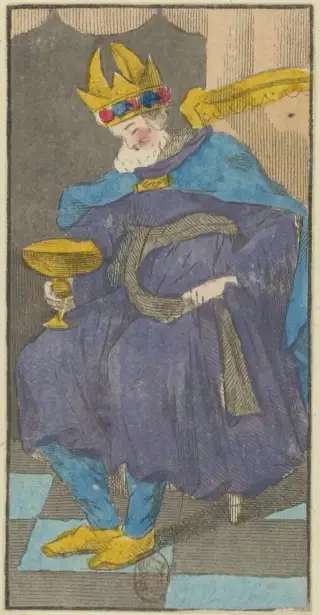
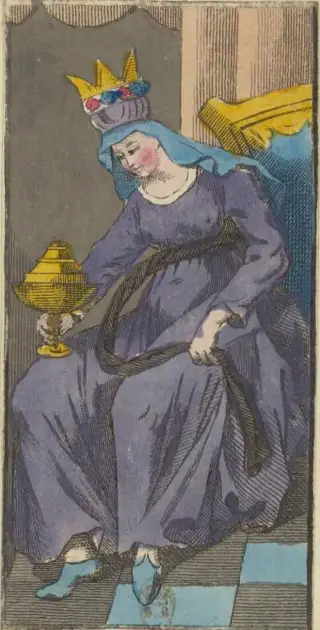
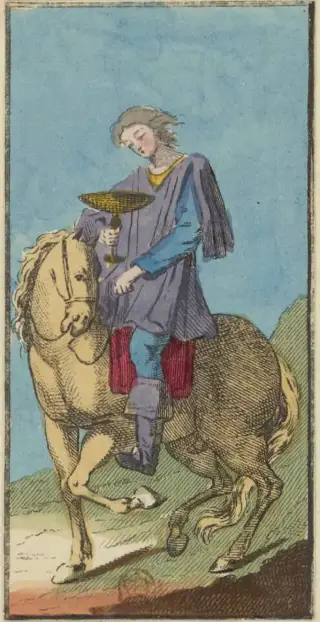
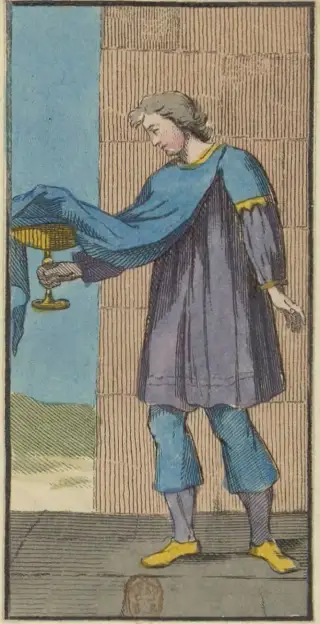
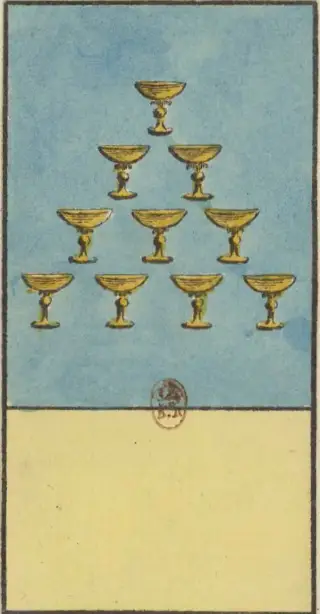
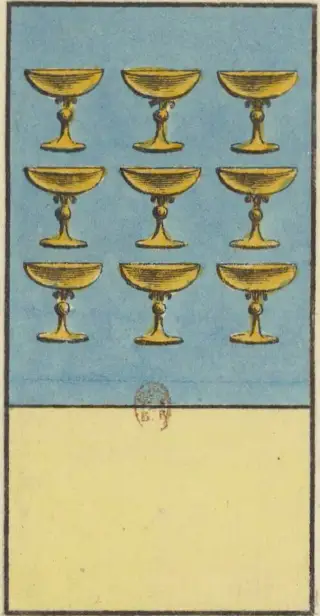
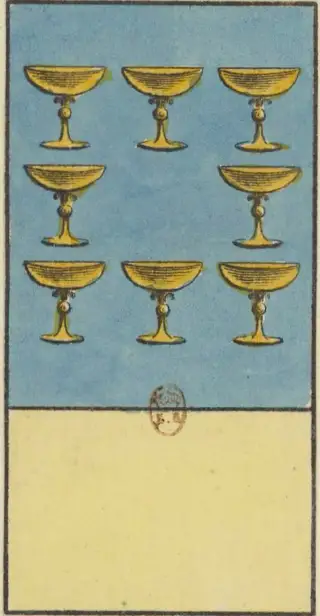
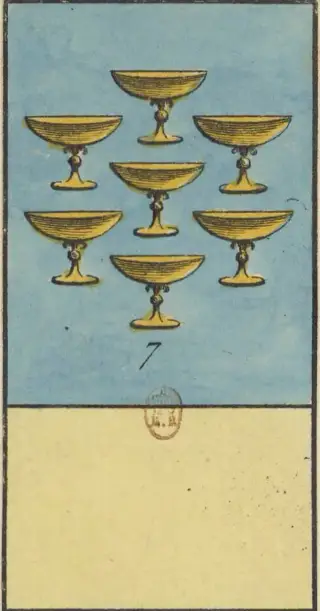
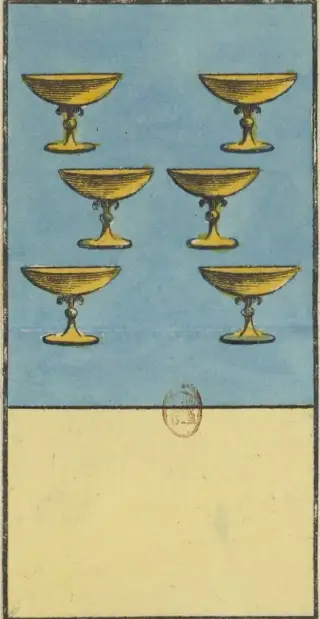
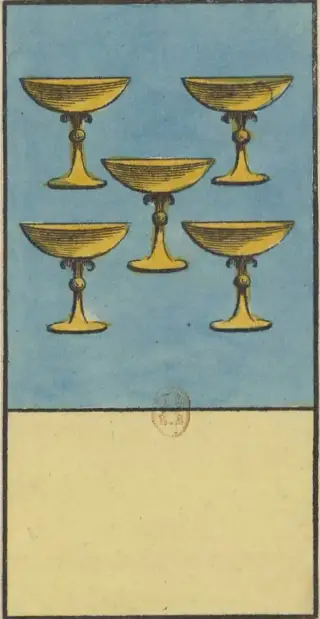
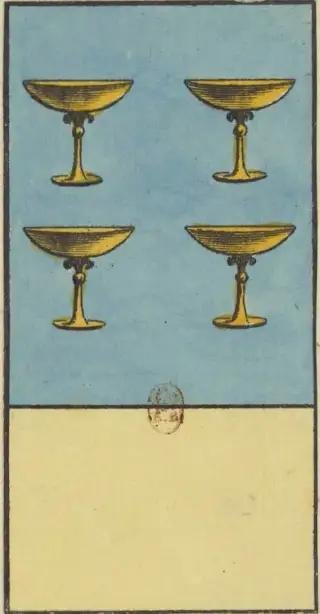
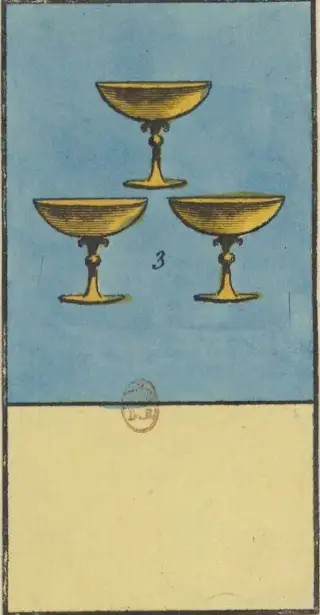
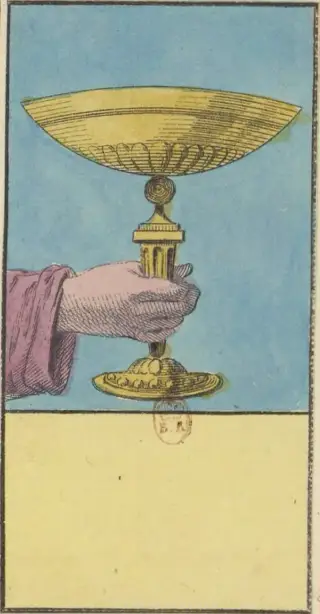
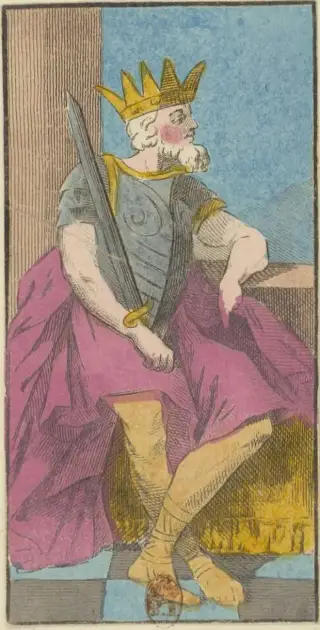
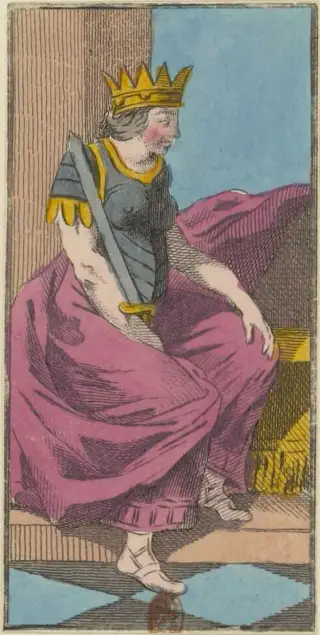
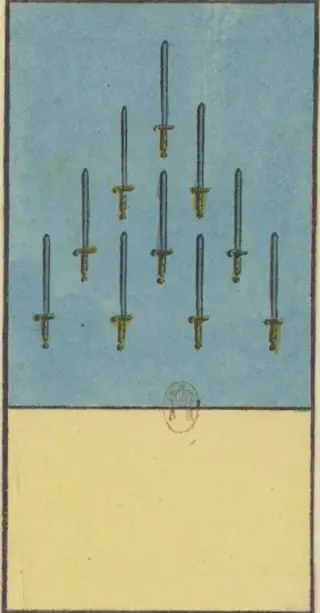
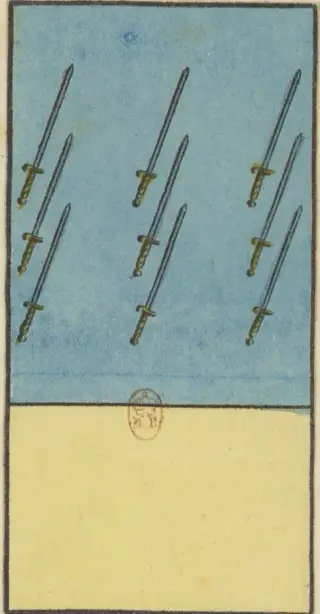
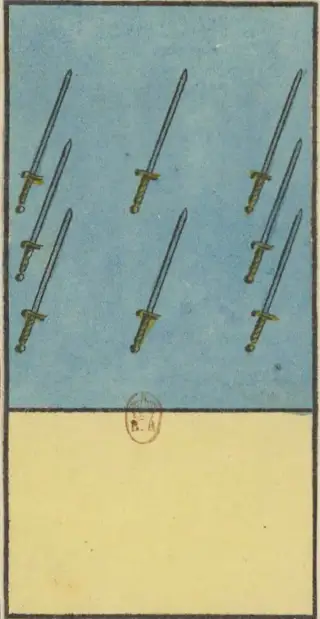
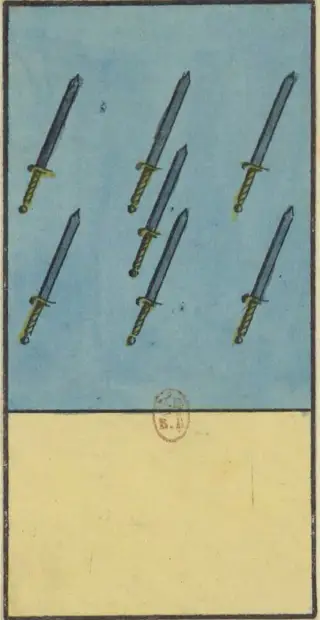
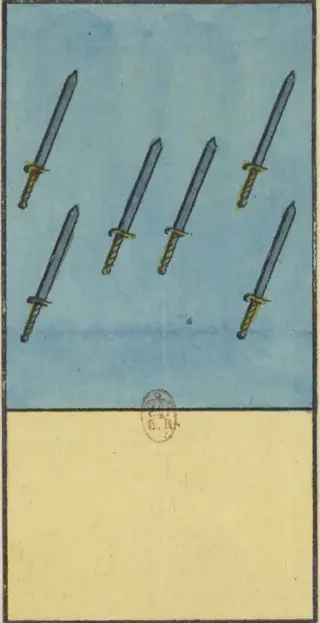
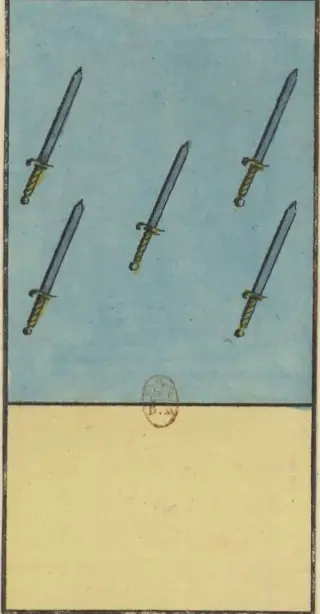
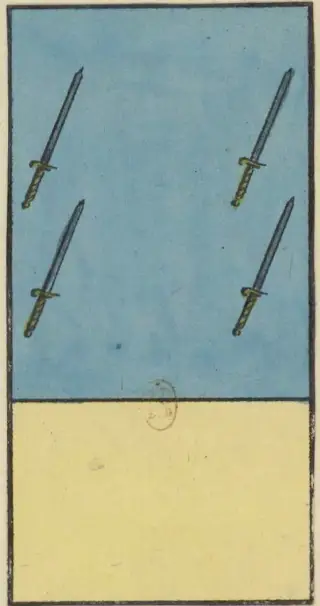
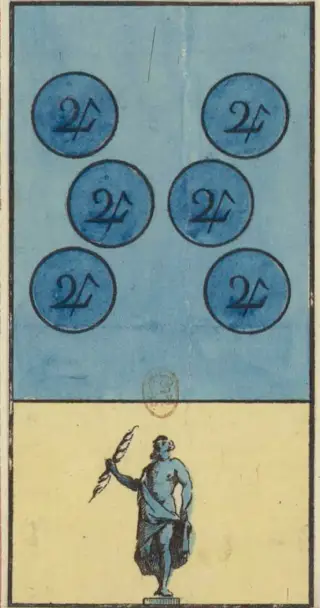
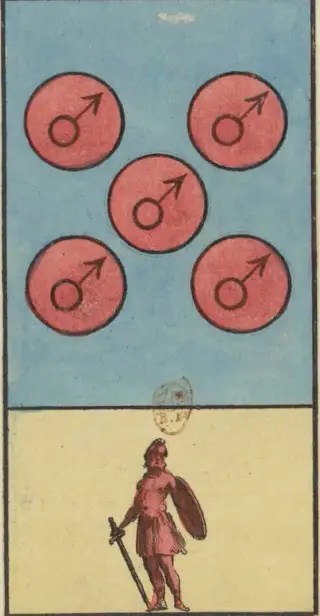
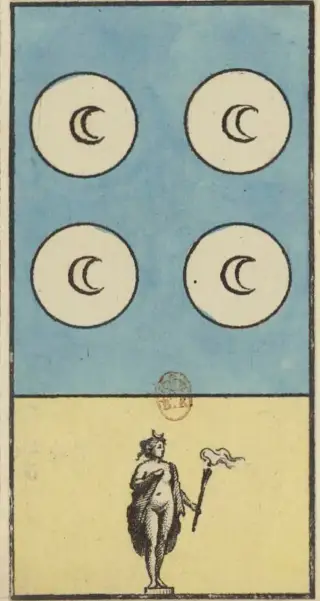
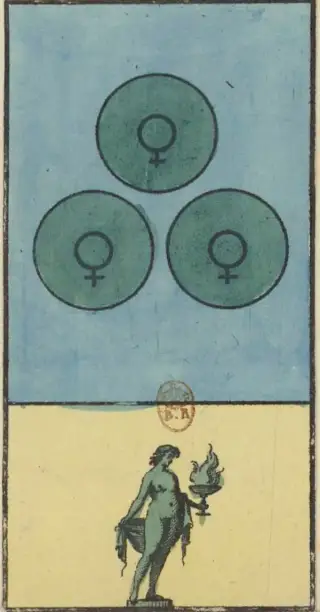
The cards of this first edition carry no printed titles or meanings, only the etched scenes, brush-colored by hand; readers learned the numbers from Etteilla's books. Later printings of his system, like the Grand Etteilla of the following century, stamped keyword meanings on both ends of every card and kept the deck in shops long after its inventor died in 1791.
Etteilla was mocked by the occultists who came after, and copied by all of them. Court de Gébelin had speculated about Egypt, but it was this pack that first put a bought-and-sold deck behind the theory, and every esoteric tarot since, from the Wirth trumps to the Tarot of Papus, stands in a line that starts here.








- The Grand Etteillathe shop printing that kept the system alive
- The Petit Etteillahis first and cheapest invention
- The Tarot of Papusthe occult line that starts here
- How to self publish a tarot deckhe sold it by subscription in 1788
- How to price your tarot deckpricing a deck nobody has seen yet